Renting a Car Or Motorbike in Thailand: An Essential Guide for Travellers


Planning a trip to Thailand and considering renting a car or motorbike? We’ve got you covered!
Thailand was practically made for hitting the road. Whether you’re gearing up for an epic road trip by car or ready to zip around on a motorbike for the day, driving is a fantastic way to explore this amazing country.
We have a lot of experience navigating Thailand’s roads. From multiple epic road trips to short scoots around the cities, we know the ins and outs of renting and driving here.
So read on for our essential guide to driving in Thailand. You’re in experienced hands!
Thailand Travel Resources
- Start here: Bangkok’s Top 5 Coolest Neighbourhoods
- Best islands: Koh Adang and Koh Tarutao
- Best for adventure: 4-day Chiang Mai Road Trip
- Guidebook: get a copy of Lonely Planet’s Thailand
- Getting there: search for flights to Thailand
- Where to stay: search for guesthouses, hostels and hotels
- Travel insurance: get travel insurance for your trip
- Gear: pick up a Steripen for clean water 24/7
- Money: get a Wise money card to save money in Thailand
Why Go Driving in Thailand?
If it isn’t obvious yet, we highly recommend renting a car or motorbike at some point during your trip. Why?
Driving in Thailand — whether on a multi-day road trip or a day adventure — is a fantastic way to experience the country. You choose where to go and at your own pace.
Find an exciting side road in the countryside? You can take it. Hear about an unknown hot spring in the mountains? You can go there!
Plus, rentals are easy to arrange and very affordable. And the best part? You’ll discover some incredible hidden gems along the way!
FYI: We use the terms ‘scooter’ and ‘motorbike’ interchangeably, as they are often done so in Thailand
Car or Motorbike: Which Should You Choose?

Now that you’ve decided to go on a driving adventure in Thailand, you have a choice: do you rent a car or do you rent a motorbike?
There’s no easy answer. Both are common and popular choices, each with its own pros and cons.
Which option you choose will depend on the exact nature of your Thailand adventure and the type of traveller you are.
Read about our awesome 4-Day Northern Thailand Road Trip
Renting a Car in Thailand
Renting a car in Thailand comes with its own set of advantages and disadvantages. We’ve summarised them below.
Pros:
Cons:
In sum: Renting a car in Thailand is better suited for long distances on the highway and for multi-day road trips – like our one-of-a-kind 7-Day Off the Beaten Track Road Trip.
Renting a Motorbike in Thailand
Renting a motorbike in Thailand is by far the most popular choice – although that doesn’t mean it’s necessarily the best one.
Spend just a day in Chiang Mai and you’ll spot dozens of foreigners zipping around on scooters—or sporting a few telltale burn marks on their legs!
Pros:
Cons:
In sum: Motorbikes are better suited for short distances, rural areas and day trips.
Which Should You Choose?
What a question! Ultimately, this will depend on what experience you’re after, but here are our two cents.
Choose a motorbike if you’re just going on a short day trip to take in a few outlying sights, or just want a fun day out.
Choose a car if you’re going on a road trip of 3 or more days, or a shorter road trip but with really big days.
How to Rent a Car in Thailand
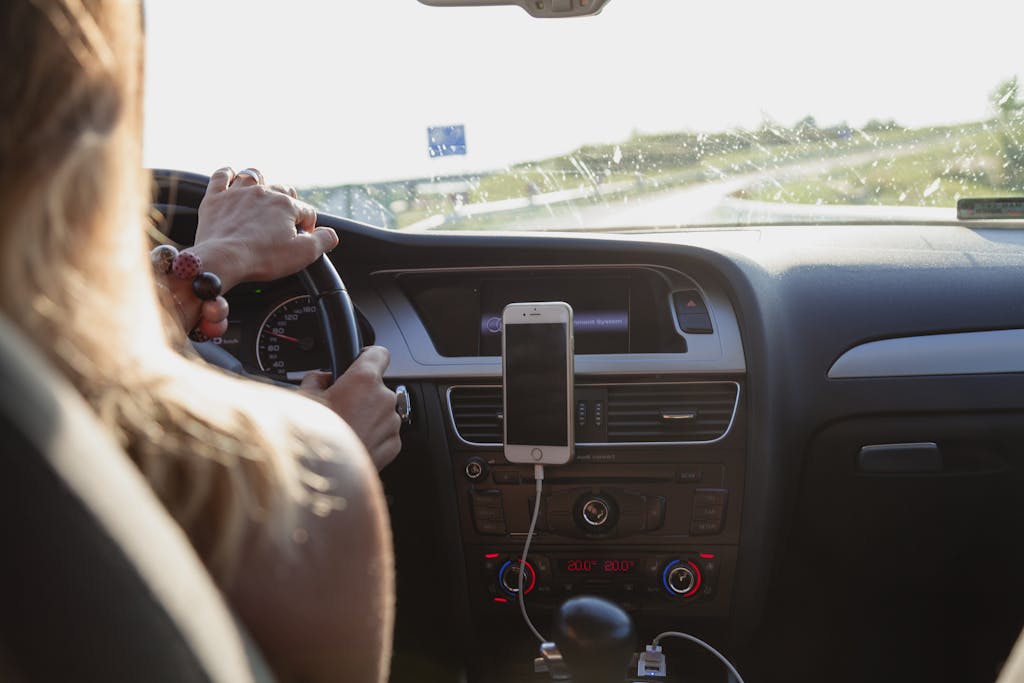
If you’re going to rent a car in Thailand, we recommend doing it online. While you can of course go with local providers, in our experience, it’s cheaper and easier to rent a car in advance online.
Renting a car online means you can go with trusted and vetted providers. You don’t have to worry about the cultural and linguistic barriers that going with a local agency entails.
Which Online Provider to Use
For your Thailand car rental, we recommend Discover Cars. It’s what we personally use and always recommend.
Discover Cars is an online platform that allows users to compare car rental deals from multiple companies.
It features transparent pricing by including all mandatory fees, taxes, and extras in the quotes. They negotiate directly with car rental providers, allowing them to provide competitive rates.
In sum, they provide the best rates and are easy to use. Don’t just take our word for it though – check it out for yourself at Discover Cars!
How to Book Your Thailand Car Rental
Booking your car rental through Discover Cars is pretty easy.
First, on their website, select your location, date and vehicle preferences. Then, review the options, any extras you want and simply complete the booking.
Once the booking is completed, you’ll receive a digital voucher, which you’ll use at pick-up.
In addition to the voucher, when you pick up the car, you’ll need to bring a valid driver’s license, passport and your credit card. It’s that easy!
Pro tip: Always make sure to read ‘Rental Conditions’. It can be found under the car picture on the desktop version of the website and should be read before booking, as they vary by supplier.
What is Full Coverage?
For a worry-free adventure on the road, we definitely recommend going for Full Coverage.
With Full Coverage, you’ll be covered for the deductible on damage and theft, plus repair costs, towing, taxi rides after an accident, lost keys, lockouts and even those pesky admin fees tied to damage or downtime.
Top Tips for Renting a Car in Thailand
Head over to Discover Cars to begin planning your epic trip in Thailand!
How to Rent a Motorbike in Thailand

Renting a motorbike in Thailand is also simple!
Unlike with car rentals, it’s much easier to just rent locally. Stroll through any main street in any city and you’ll find plenty of places.
However, that doesn’t mean you should just choose any random shop. Do a bit of research online, looking at reviews.
You don’t just want to find the cheapest price – you also want quality bikes and honest business practices.
Related: 8 Awesome Things to Do in Chiang Dao + Ultimate Travel Guide
Renting From Regional Hubs
If possible, choose larger regional hubs for your scooter rental rather than smaller towns.
For Northern Thailand, you’ll get the best deals and quality in Chiang Mai. We have rented from smaller places like Lampang, however, the selection was greatly inferior and it cost more!
If you’re starting a road trip outside of a hub (like our 7-day trip from Lampang and our 4-day trip from Chiang Dao), this may mean driving it to the start, but it will pay off in terms of quality and price.
For a motorbike rental in Chiang Mai, we recommend Bamboo Bikes. We’ve always been happy with them.
Read next: 13 Epic Things To Do In Khao Sok National Park + Essential Travel Guide
Documents Needed For A Scooter Rental
To finalise a scooter booking, you’ll probably need to fill out a form, pay upfront in cash and either leave your passport or a cash deposit (usually between 1,000 to 5,000 THB, depending on the rental term).
We always choose the cash deposit – I don’t like anyone else holding my passport.
You may be required to show your driver’s license, IDP (see below) and/or provide a copy of your passport.
What Kind of Bike Should You Choose?
Most scooters are in the range of 110-160cc. We recommend a bike with at least 125cc. This will be more comfortable and have enough power to get you almost anywhere you want to go.
If you’re up for it and experienced, bigger is better, especially if you’re tackling hills.
A tip for carrying gear on long trips: put as much of your heavy gear in the compartment under the seat. This way, you’re not carrying as much weight on your (or your passenger’s) back. Trust us, your backs will thank us for this.
How Much Does It Cost To Rent a Scooter in Thailand?
Motorbike rentals usually range from 200 to 400 THB per day, depending on the model and size of the engine. Discounts are always available for longer-term rentals.
Pro tip: always negotiate the price of your motorbike rental in Thailand.
Tips for Renting a Motorbike in Thailand
Travel Insurance
Travel insurance is the single most important thing when travelling, especially if you’re going to be driving a motorbike or going on a road trip. Don’t skimp on it and never travel without it.
Be sure to check that your travel insurance covers driving a scooter or motorbike.
We always use SafetyWing. They’re flexible, affordable and most importantly – they cover driving a motorbike!
Read: The Essential Guide to Koh Adang: Thailand’s Secret Island Paradise
Do You Need an International Drivers License in Thailand?

Legally, you need an international driver’s permit (IDP) to drive in Thailand.
Most rental companies won’t ask to see one – meaning, yes, you can usually rent a car or motorbike in Thailand without one. Most travellers don’t have one and still rent a motorbike in Thailand.
But, that doesn’t mean you should. There are a lot of police checks around and the police can be real assholes to foreigners in Thailand – especially those caught without an IDP. You can get a fine from 500 to 2,000 THB.
Even more importantly, without the proper license, your travel insurance likely won’t cover you in case of an accident.
We always use SafetyWing for our travel insurance. They cover motorbike riding, so long as you have the appropriate license and are wearing proper safety gear.
Driving in Thailand: Road Rules and Etiquette
Driving in Thailand will most likely be very different from your home country! Here are some things to expect when hitting the road.
Drive on the Left
In Thailand, people drive on the left-hand side of the road. If you’re used to right-hand driving, take time to adjust, especially in busy areas.
Get Used to Local Driving Habits
Thai drivers drive very differently from what you’re probably used to. This includes weaving between lanes, stopping abruptly and not using any signals.
Keep a safe distance, stay alert and be prepared for sudden movements.
Beware of Motorbikes and Scooters
Motorbikes and scooters are everywhere in Thailand, often weaving through traffic and darting out in every direction. Be cautious, especially at intersections and when changing lanes.
Animals on the Road
Watch out for stray dogs and even the odd chicken or pig.
Be Prepared for Police Checkpoints
Police checkpoints are common, especially for motorbike riders. These will often be after a blind turn, so you don’t have time to turn around or avoid it.
Carry your driver’s license, passport and vehicle rental documents. Losing face is a big cultural no-no in Thailand, so be polite and cooperative if you’re stopped. It will help you out.
Fill Up Regularly
Fuel stations may be sparse in rural areas. When you see a station, consider topping up, especially if heading out of town or into mountainous regions.
Navigation
Google Maps is best for the big cities and just okay in rural areas. In the countryside, you’ll do better with Waze. If you find yourself out of reception, maps.me is a godsend (just remember to download the map in advance).
Now that we’ve got you excited about driving in Thailand, head on over to Discover Cars to book your car rental!
Explore all Our Thailand Guides
Disclaimer: This post may contain affiliate links. If you buy or book anything through them, we’ll earn a small commission at no extra cost to you. Thank you for supporting this website!
